Wallace Chan:Vessels of Other Worlds
2026.7.18-2026.10.25
LONG MUSEUM WEST BUND
|
Artist
|
Wallace Chan
|
|
Curator
|
James Putnam
|
|
|
|
|
|
|
Wallace Chan:Vessels of Other Worlds
2026.7.18-2026.10.25
LONG MUSEUM WEST BUND
|
Artist
|
Wallace Chan
|
|
Curator
|
James Putnam
|
|
|
|
|
|
|
From 18 July to 25 October 2026, the Long Museum (West Bund) will present Vessels of Other Worlds, the solo exhibition by Wallace Chan.
Vessels of Other Worlds coincides with the artist’s 70th birthday and it is Wallace Chan’s most ambitious project to date. Curated by James Putnam, the exhibition unfolds across Venice and Shanghai, creating a symbolic dialogue between the two cities, while exploring the themes of transformation, memory and spirituality through a new body of monumental titanium
sculptures.
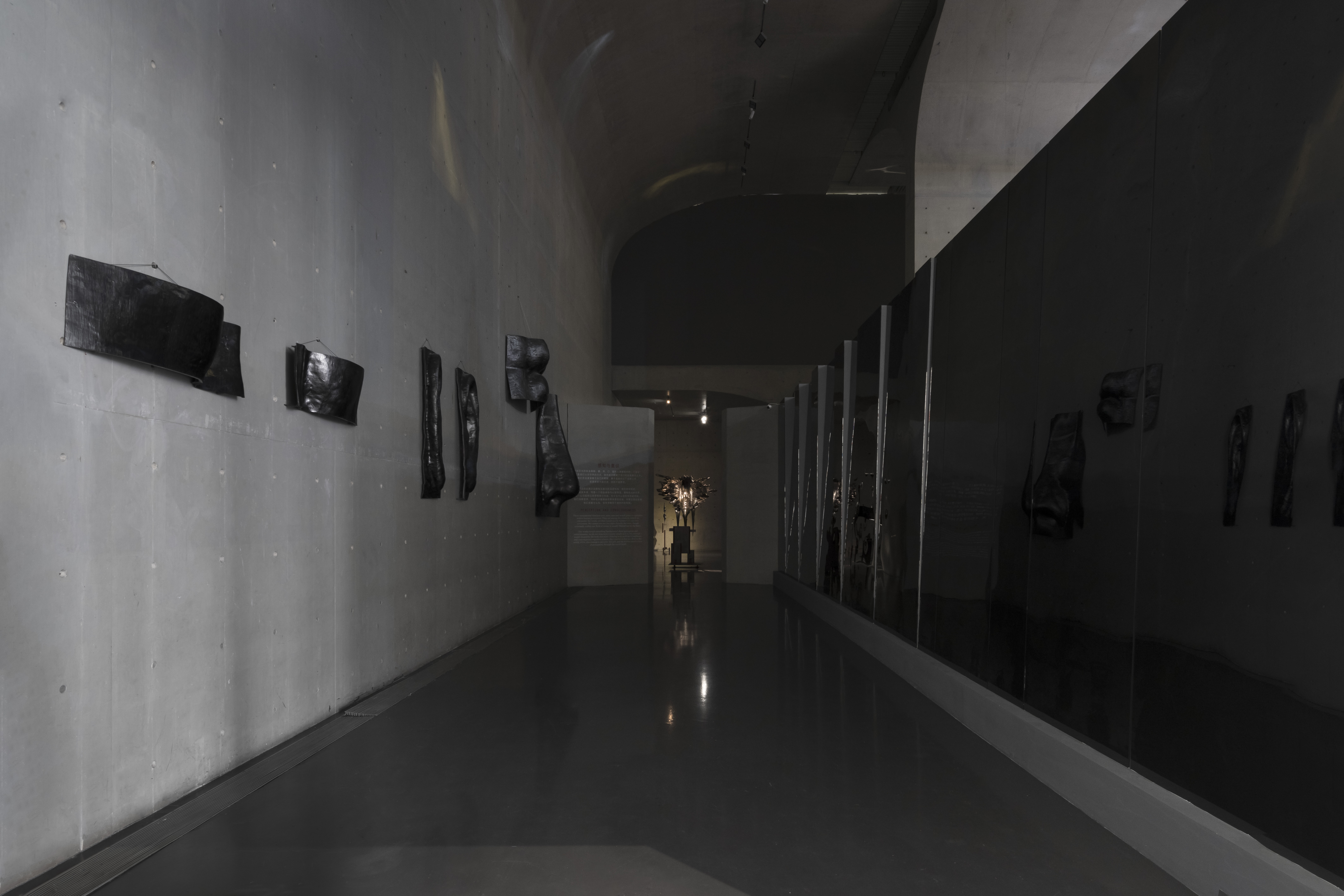
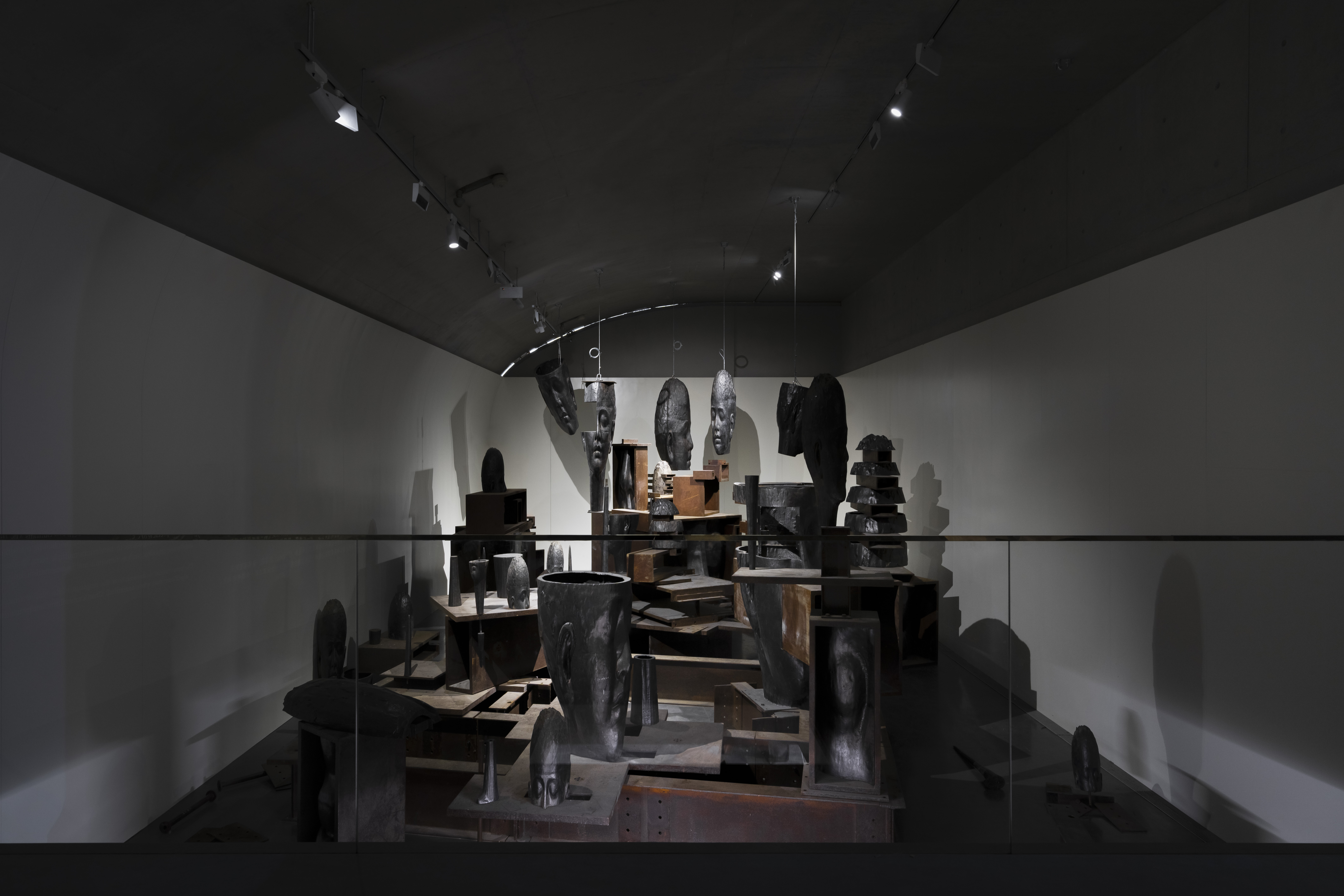
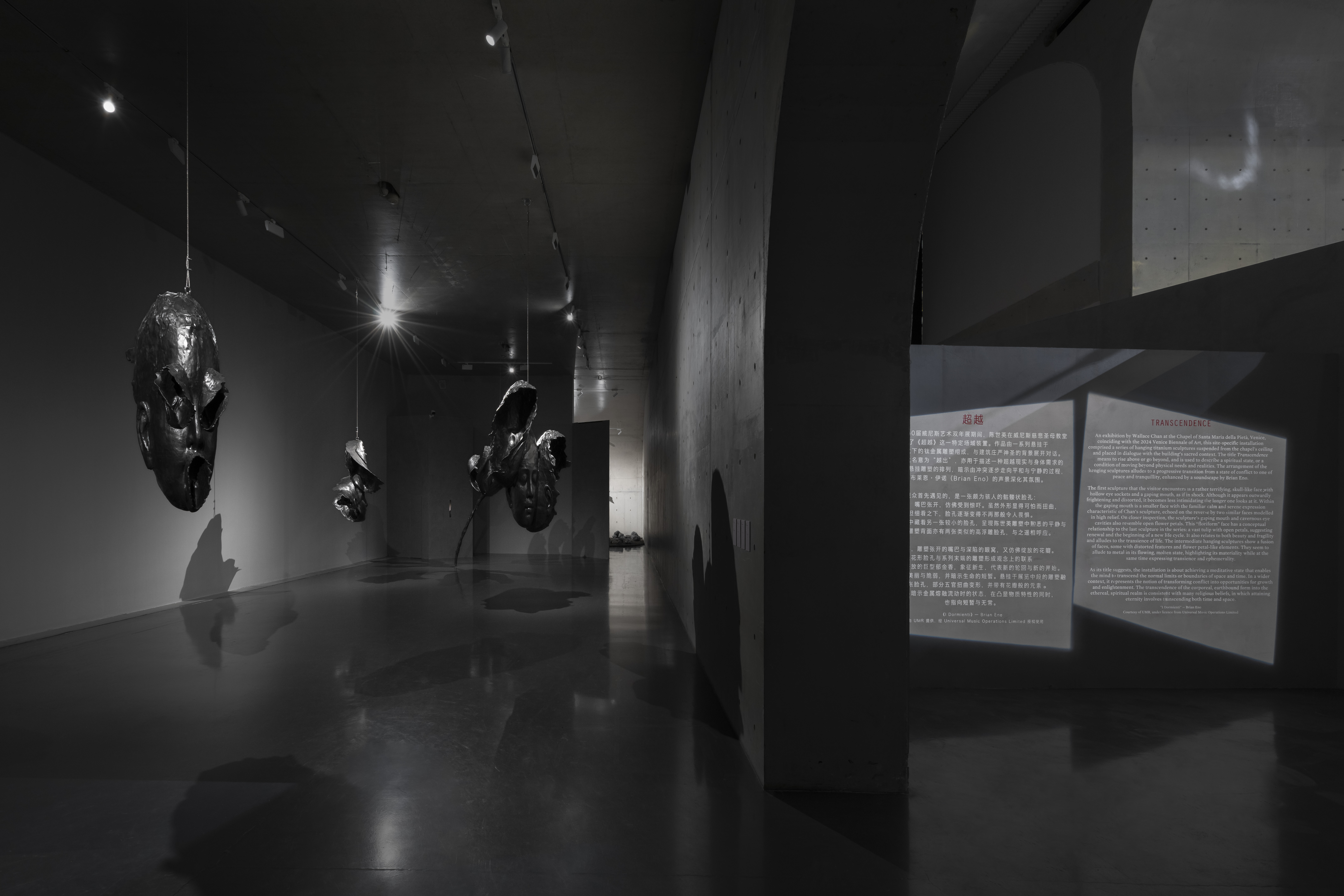
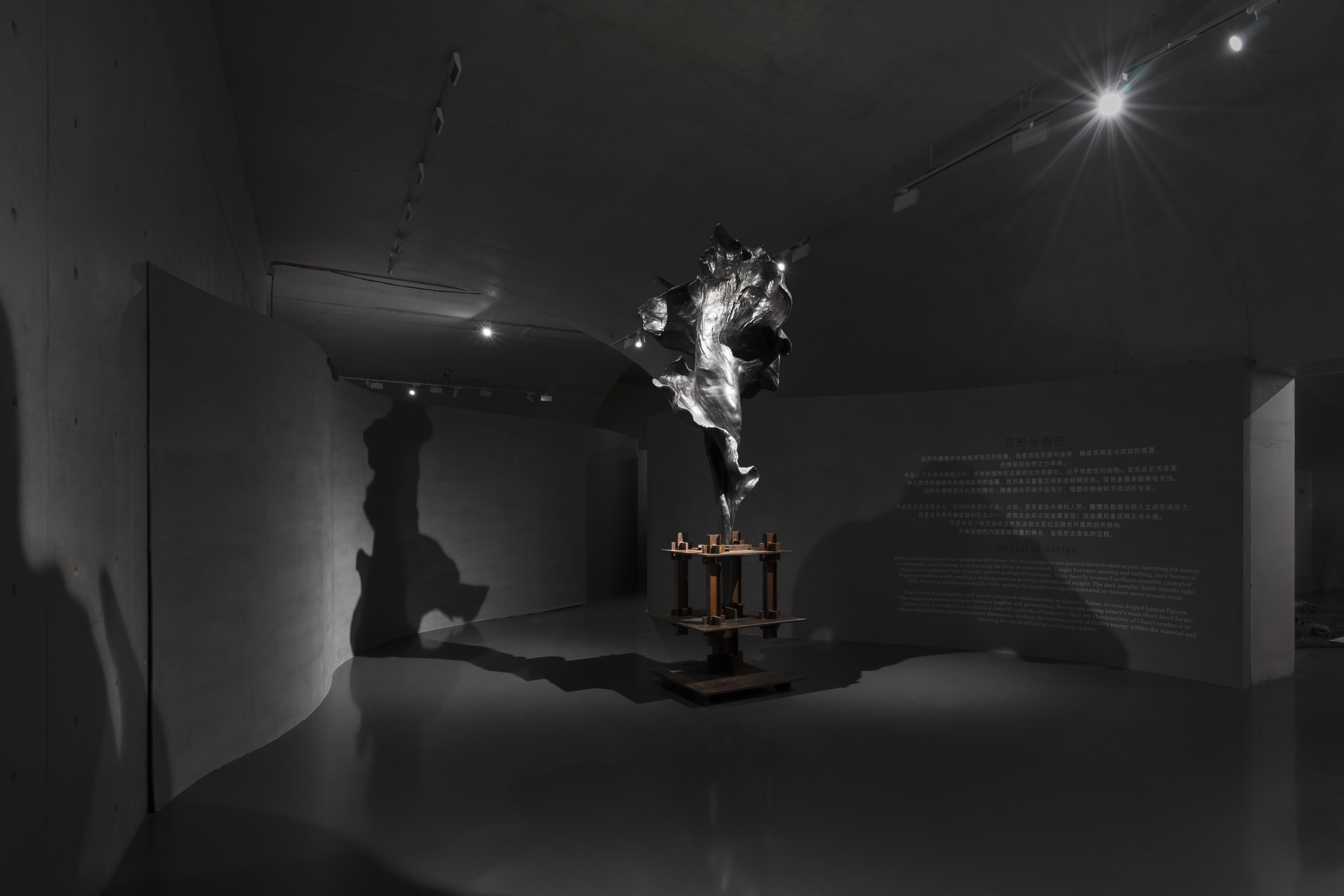
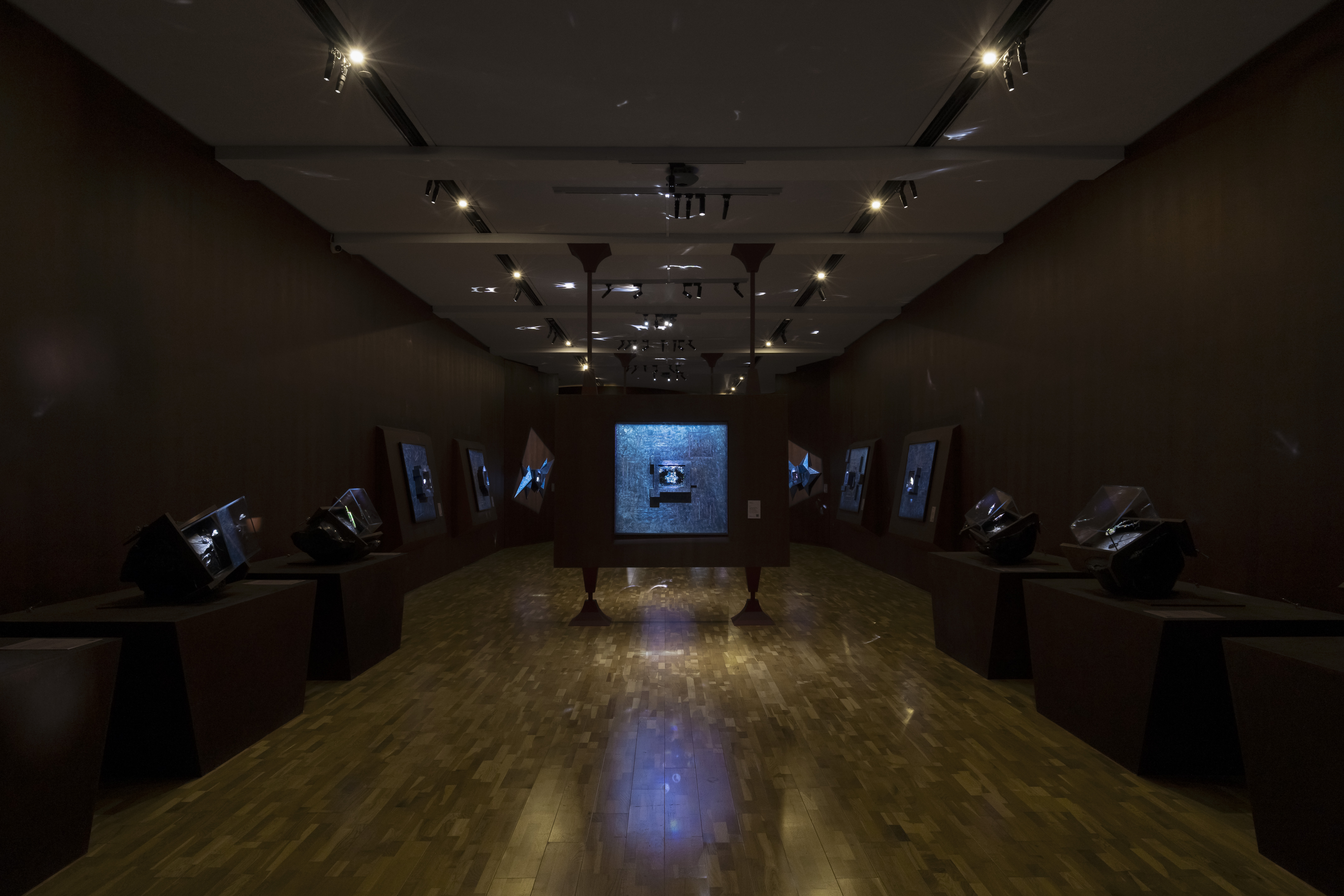
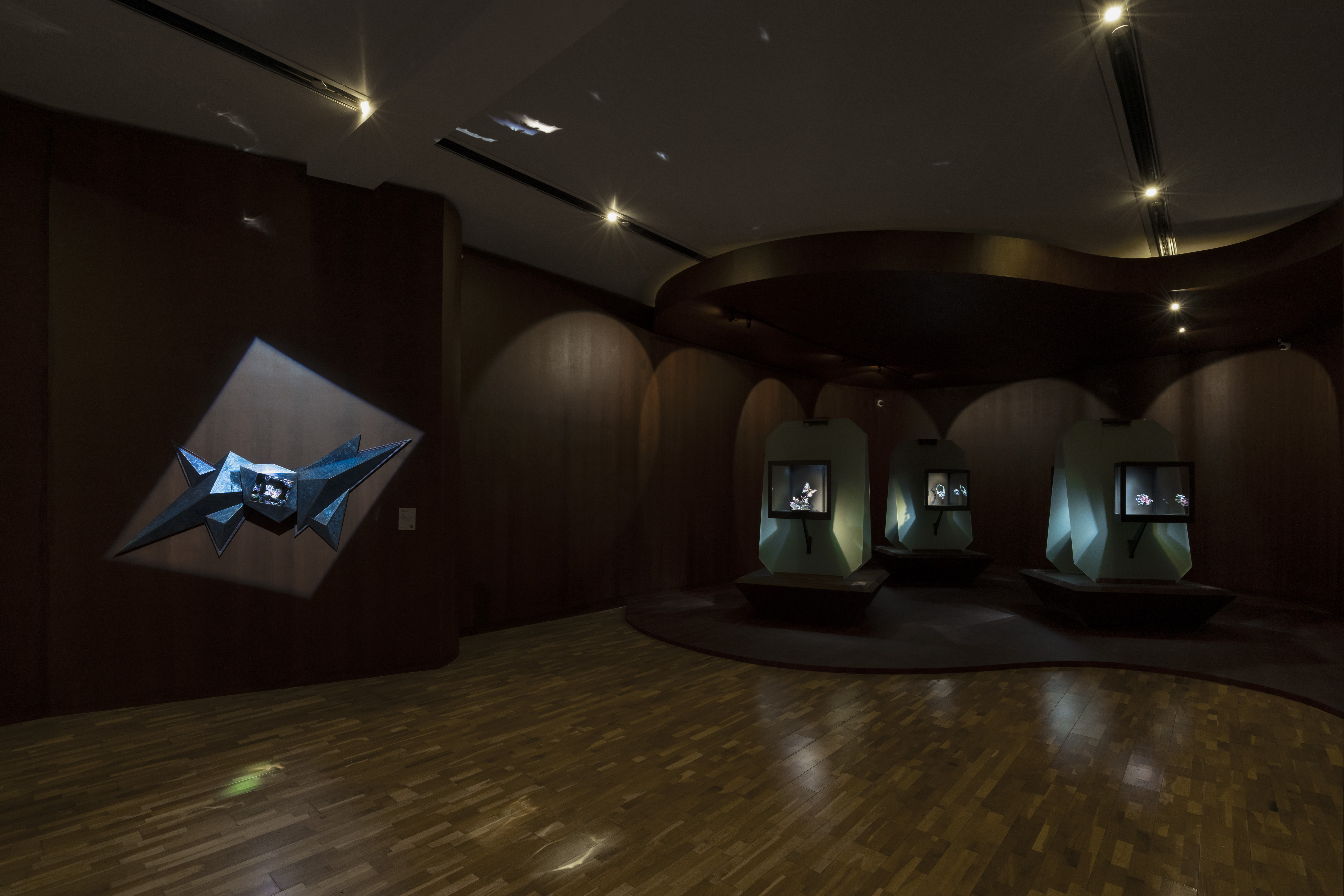
In Shanghai, visitors at the Long Museum are guided through a sequence of passages and corridors that trace the evolution of Chan’s artistic practice, referencing his previous Venice Biennale presentations - Titans (2021), Totem (2022) and Transcendence (2024). This journey culminates in an expansive space where three towering forms come into view.
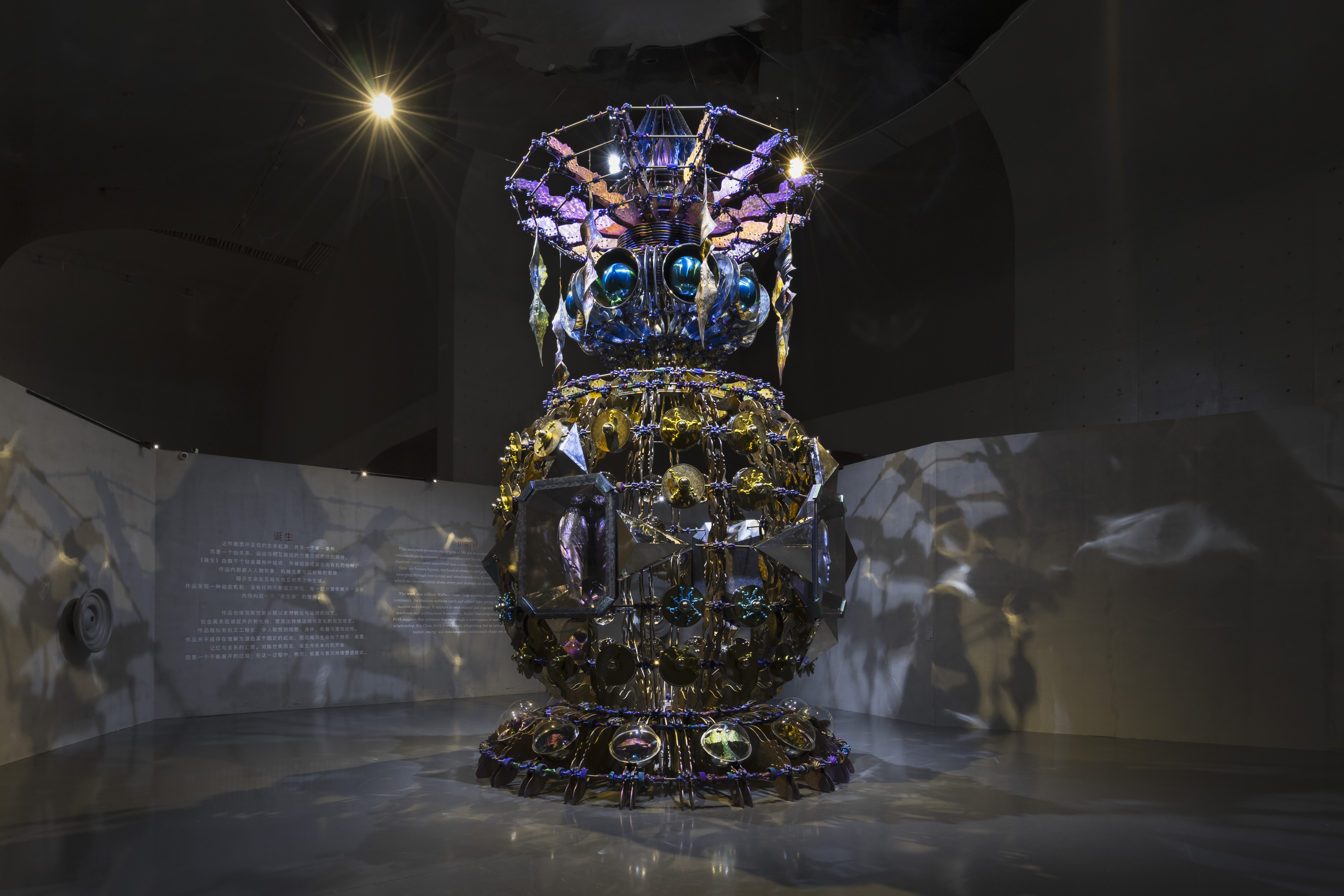
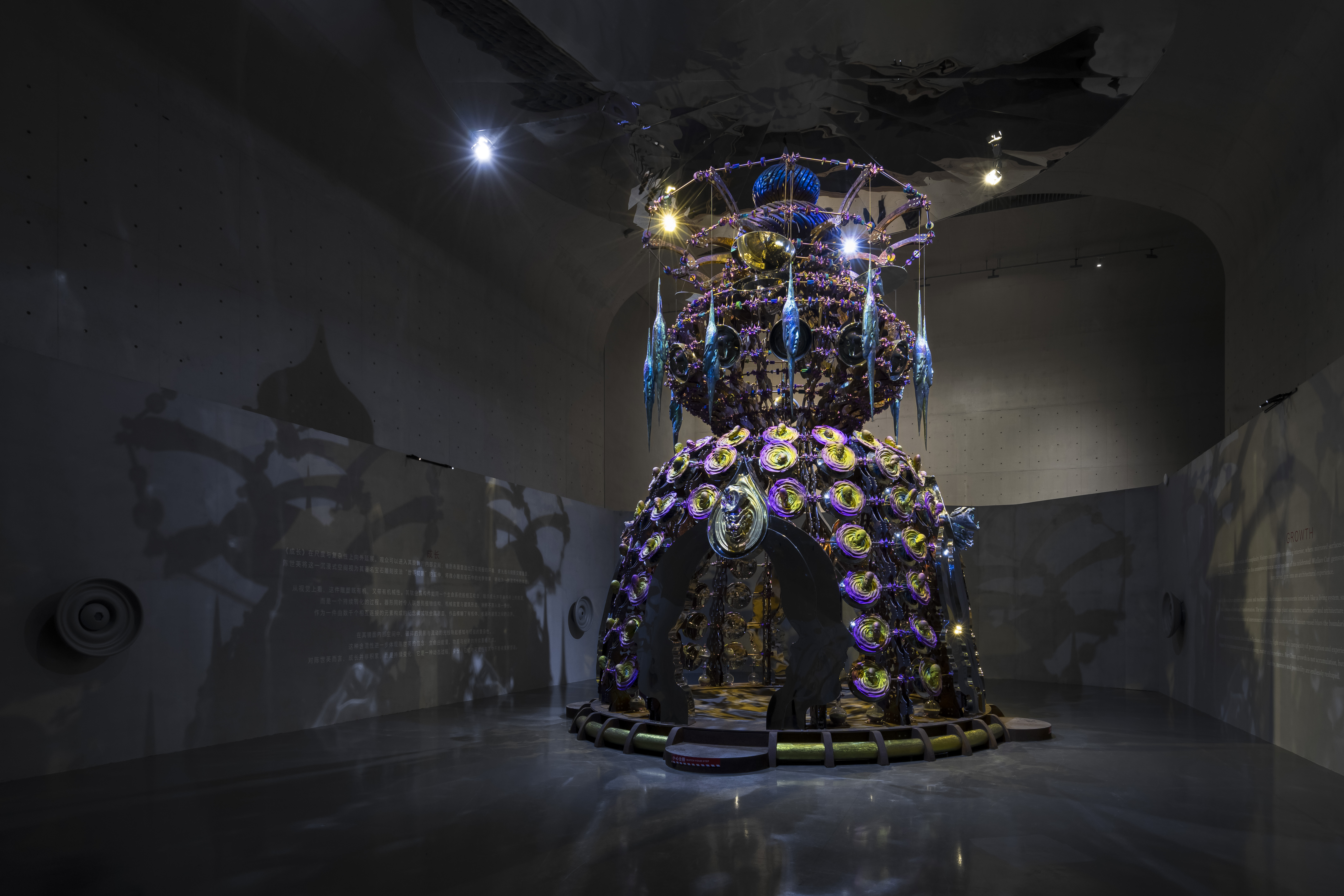
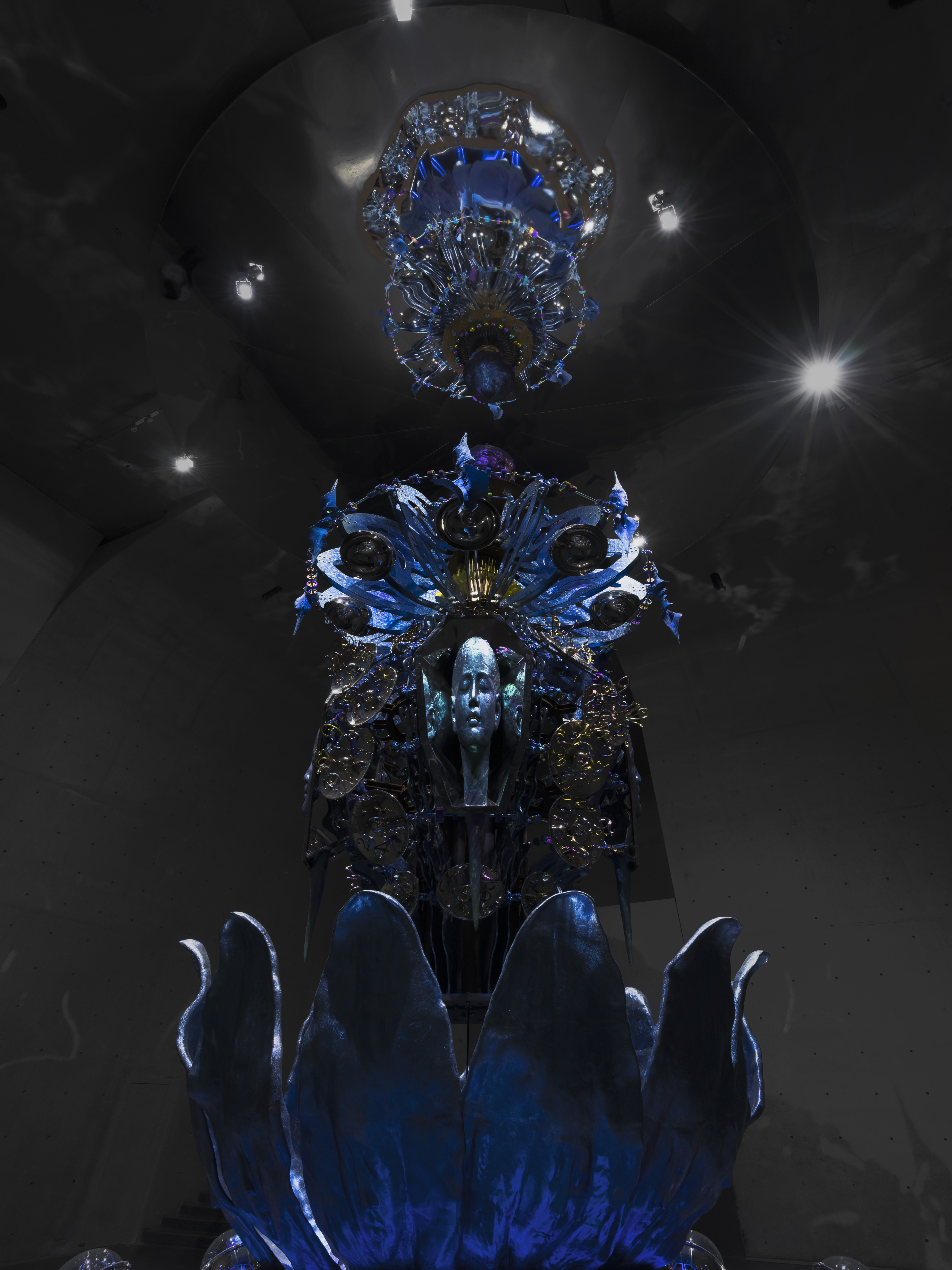
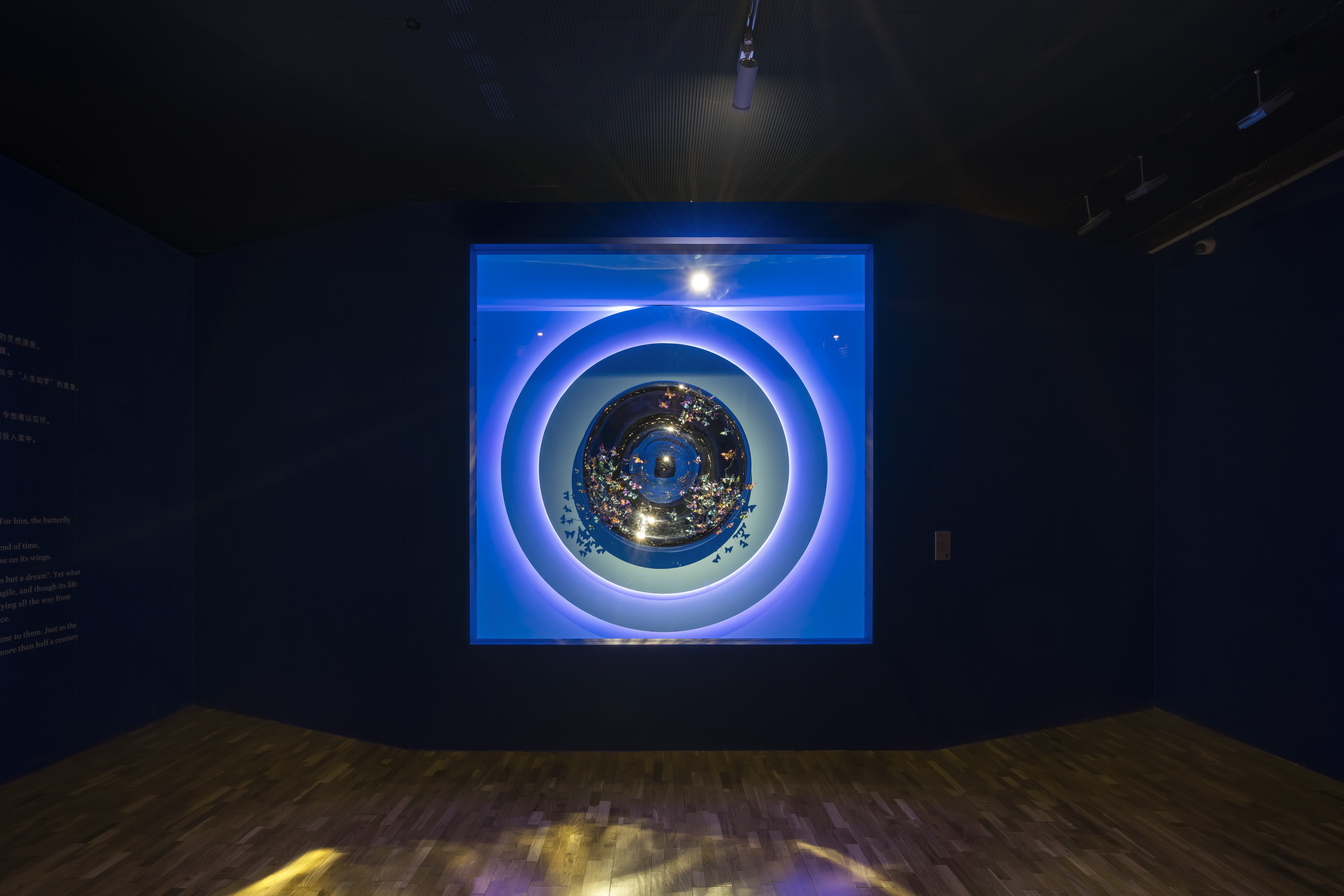
First introduced in Venice, these works are restaged in Shanghai at an unprecedented scale, reaching seven, eight and ten metres in height. In Venice, the exhibition’s tripartite structure is staged within the Pietà Chapel, where three video screens placed on the altar form a triptych and act as a conceptual portal, revealing the monumental works presented in Shanghai.
Through this dual configuration, the exhibition draws upon the cultural resonances that connect Venice and Shanghai - two cities historically shaped by their relationship to water - inviting reflection on materiality and transcendence, presence and absence, and the fluid boundaries between physical and immaterial space.
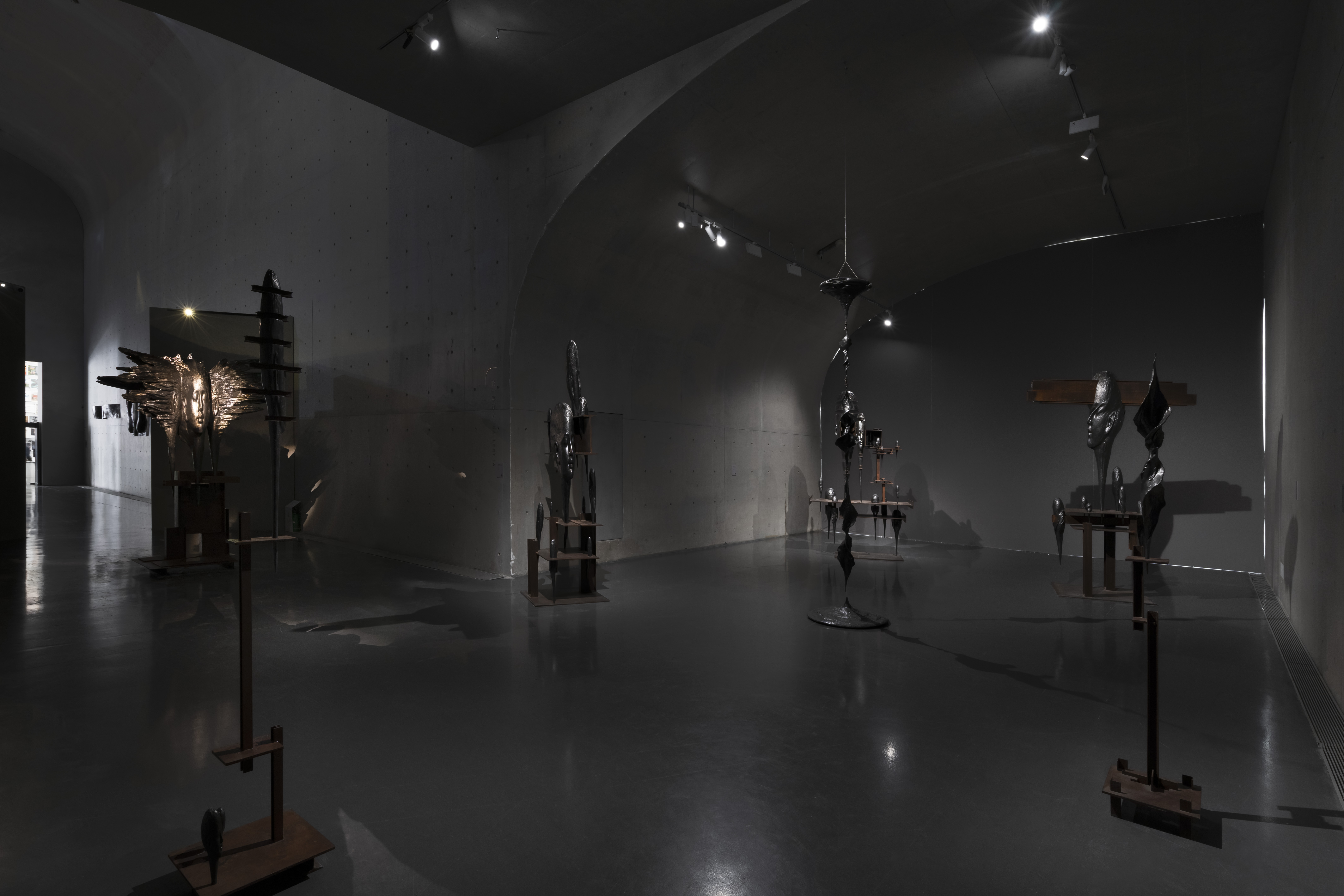
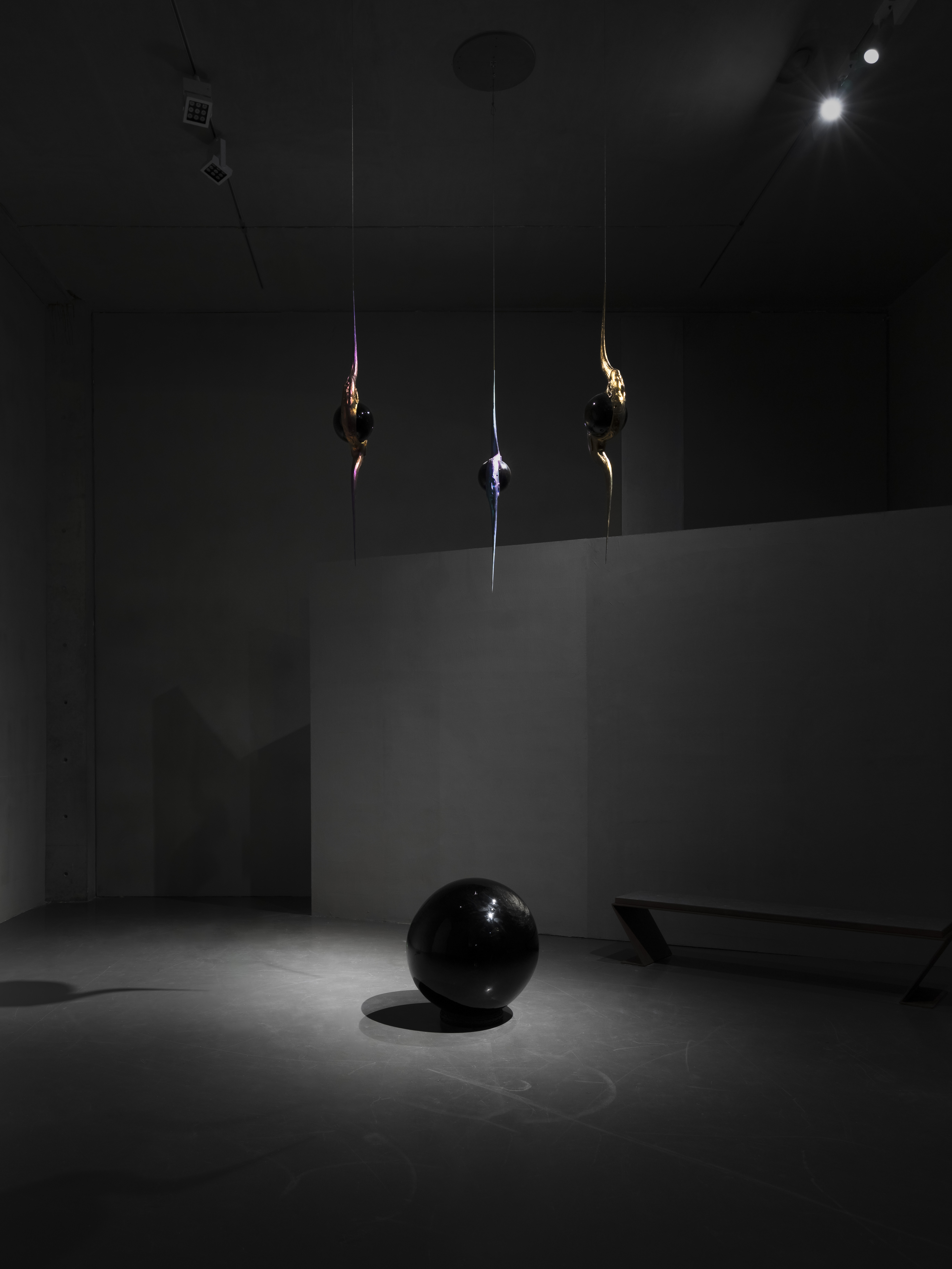
Inspired by Olea Sancta - the sacred oils used in Catholic rites of blessing and purification, the sculptures evoke continuous cycles of birth, growth and rebirth through subtle chromatic shifts of yellow, red and blue. For Chan, the vessel functions as a metaphor for the human body, capable of holding the intangible dimensions of time, emotion and consciousness.
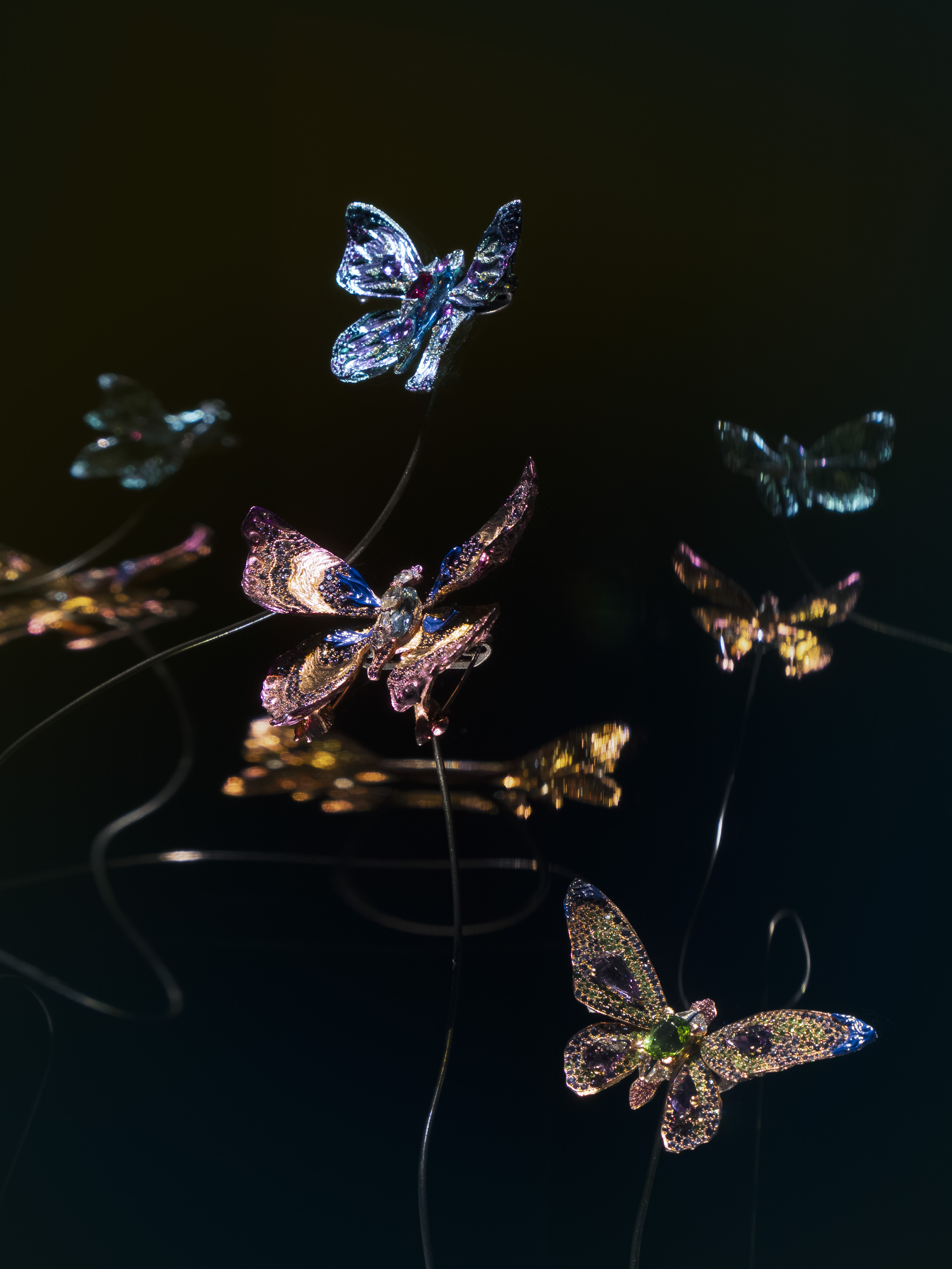
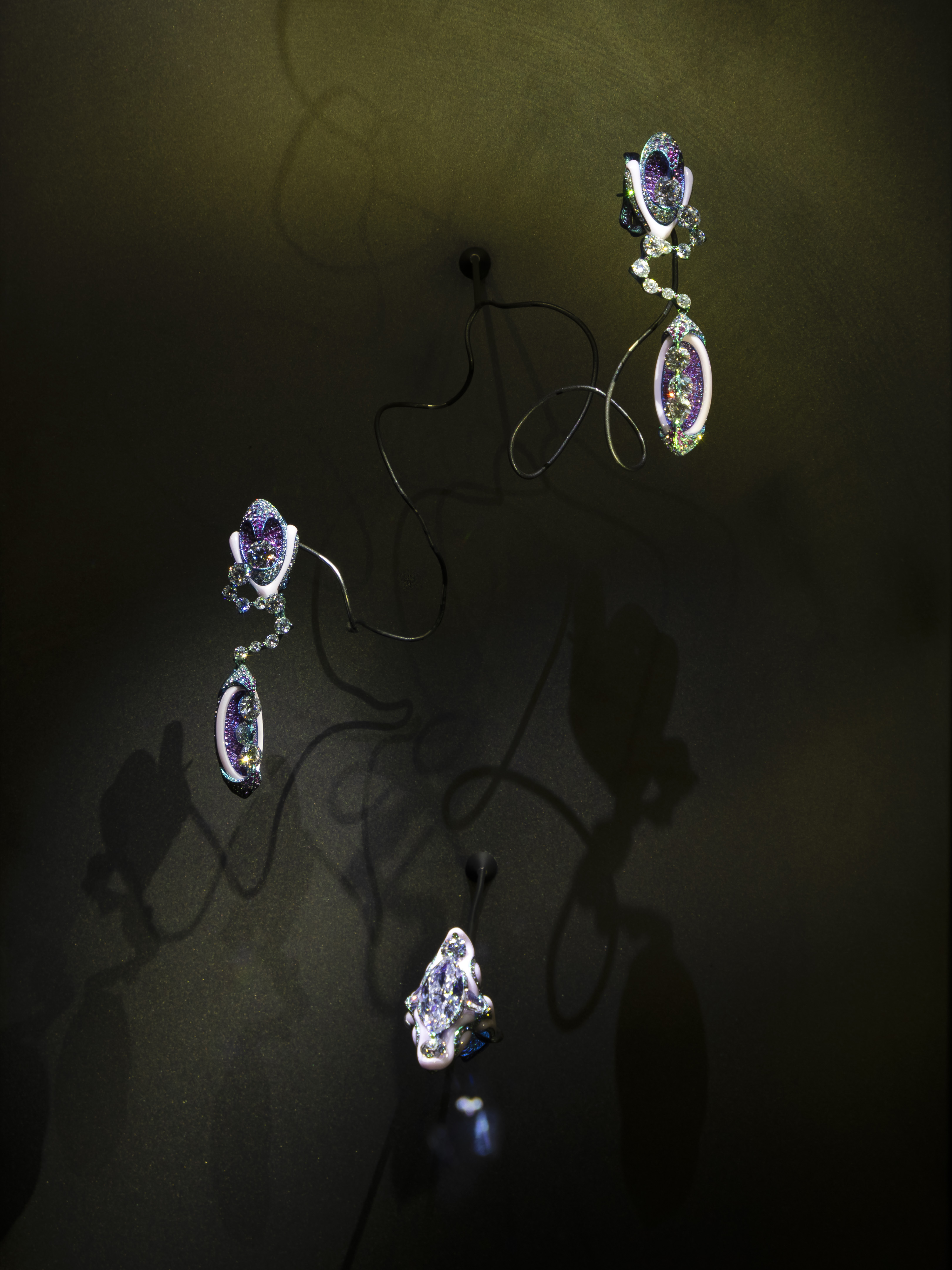
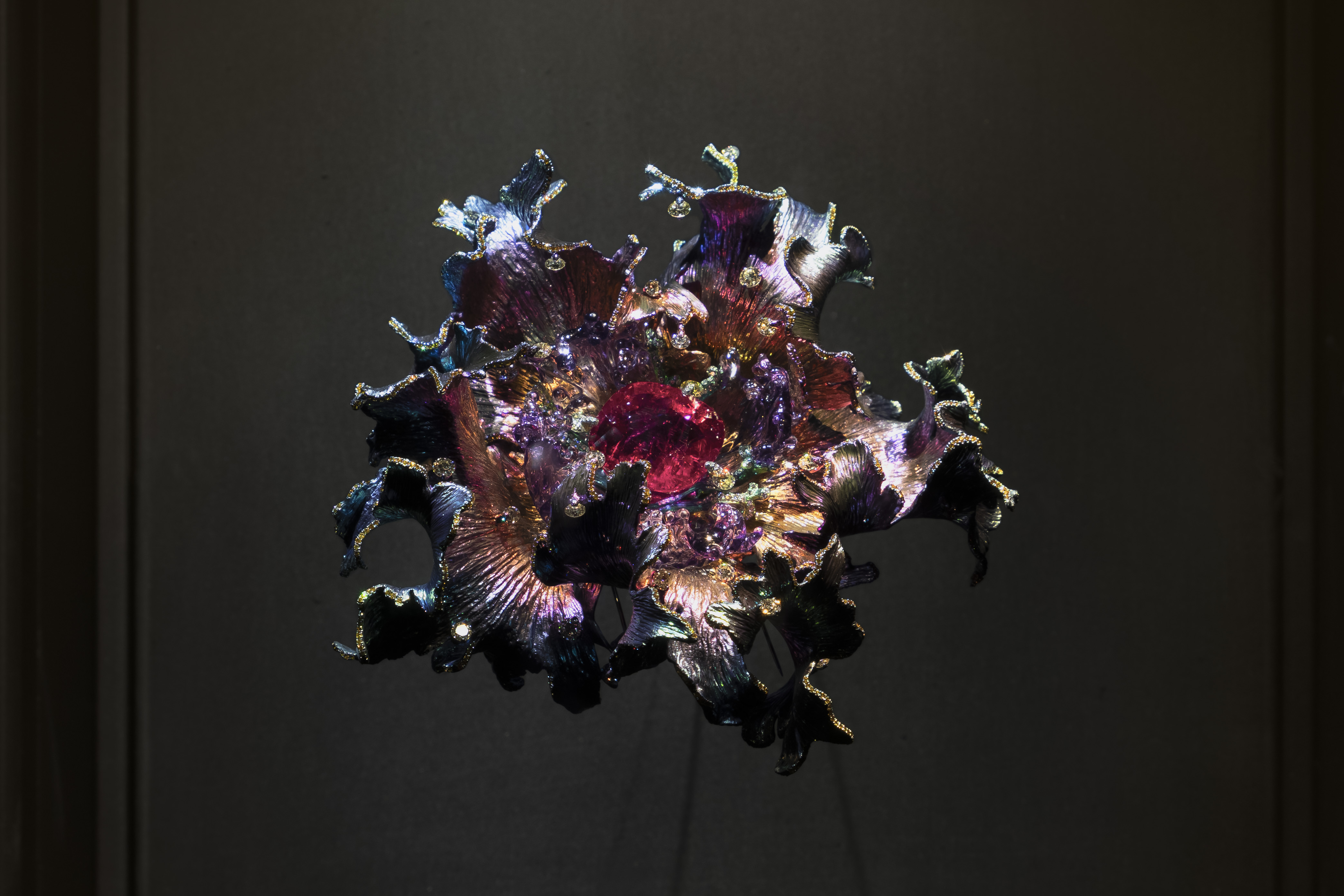
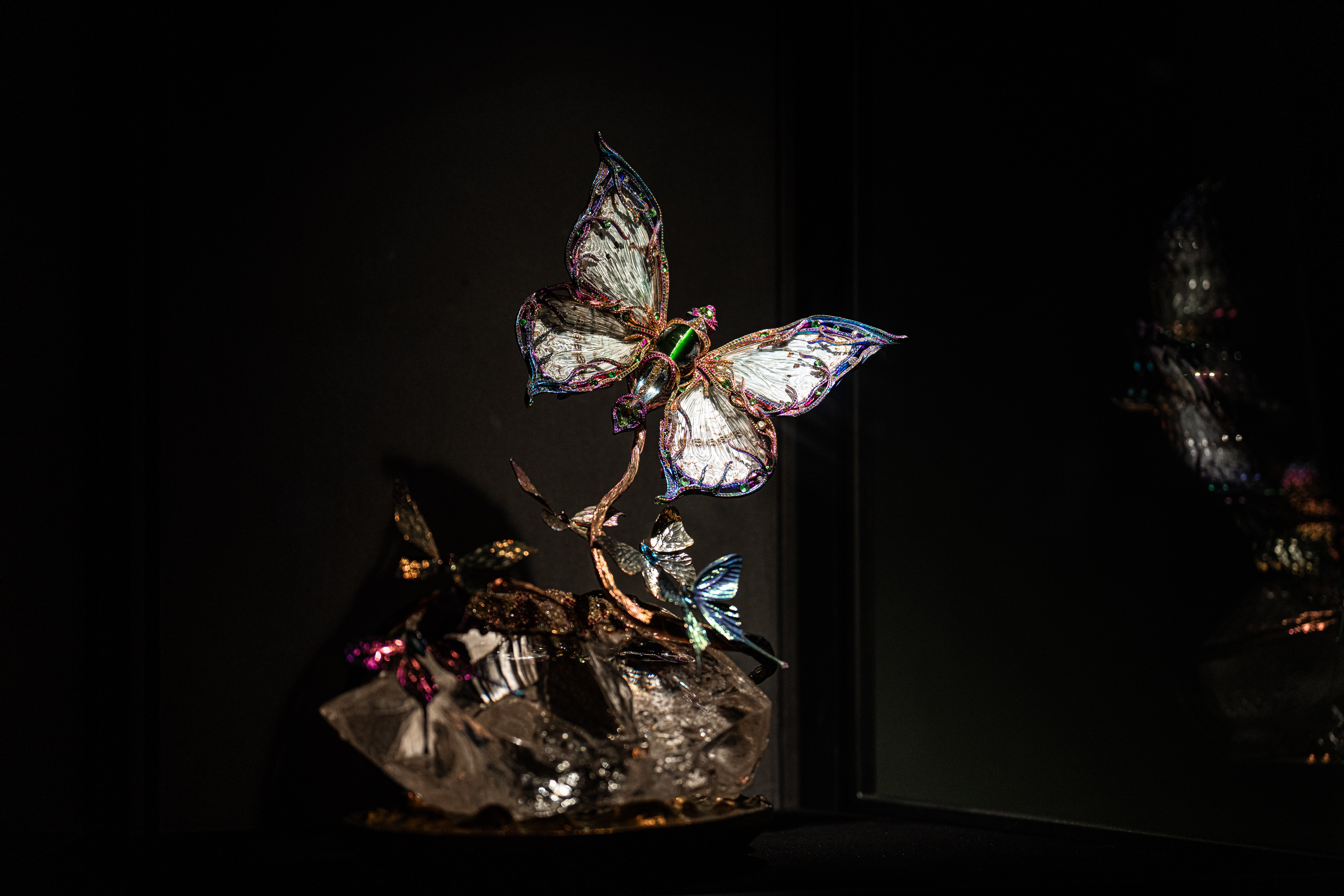
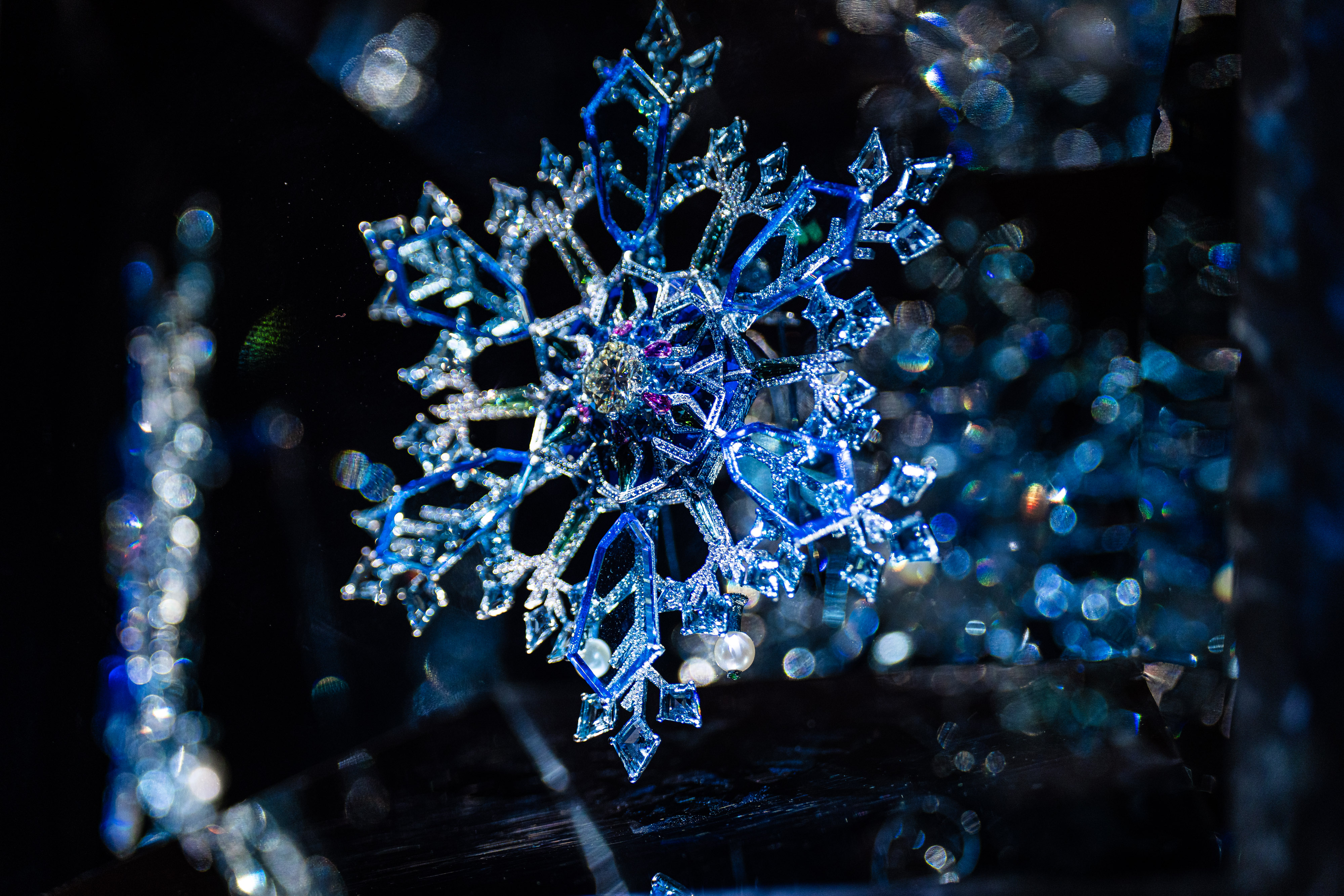
A pioneer in the artistic use of titanium, a material more often associated with technological advancement, Chan continues to challenge conventional approaches to sculpture, transforming the industrial material into poetic and atmospheric forms.
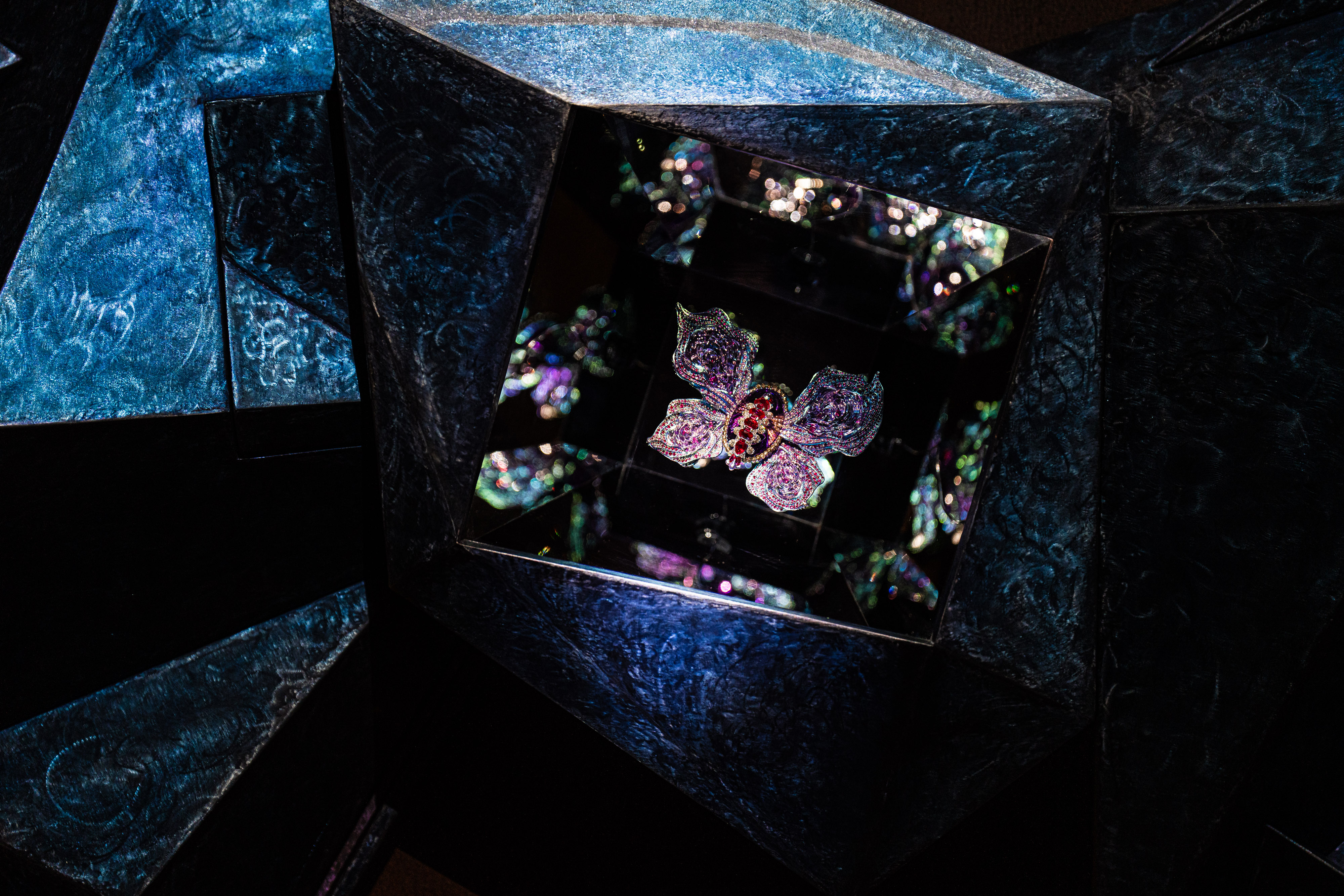
Composed of thousands of titanium components, these sculptures balance technical precision with symbolic imagination. Their surfaces are populated with human figures, mythical creatures and references to Chinese mythology, alongside recurring motifs such as distorted infants in motion and suspended faces that suggest titanium in a molten state. The central work incorporates an architectural threshold leading into a kaleidoscopic interior, where refracted views generated through Chan’s illusionistic carving innovation, the Wallace Cut, create everchanging visual encounters and expand ideas of perception and multiplicity into a participatory experience.
The Shanghai presentation extends the development of Chan’s practice from monumental sculpture toward spatial environments shaped by metaphysical inquiry, particularly through themes of transformation and transcendence. Vessels of Other Worlds unfolds simultaneously in Venice and Shanghai through live transmission and mirrored installations, dissolving
geographic distance and reconfiguring sculpture as a network of cultural, spiritual, and perceptual exchange.
Wallace Chan says, “I build the monumental from the microscopic. To me, this is how the universe takes form: vast presences arise from the unseen and the minute. Stars are born from particles; mountains and rivers gather from dust; life grows from cells. My works, too, are slowly built into something greater than myself.”
About the Artist
Wallace Chan (b. 1956) is a Hong Kong-based, self-trained Chinese artist, sculptor and innovator whose practice spans jewellery art, carving, sculpture and installation. A carver since 1973, when he was sixteen, Chan has spent more than half a century exploring the possibilities of matter, structure and craftsmanship, developing a series of pioneering techniques and innovations. These include The Wallace Cut, an illusionary carving technique invented in 1987; his pioneering mastery of titanium in jewellery making; patented jadeite luminosity-enhancing technology; gemstone settings without metal claws; The Secret Abyss; and, most recently, The Wallace Chan Porcelain, a material five times stronger than steel.
Chan’s early development was shaped by Chinese traditional totems, architecture and sculpture, as well as his formative study of Western sculptural language through statuary in Hong Kong’s Western cemeteries. Following a period of monastic retreat in the early 2000s, he began working with modest materials such as concrete, copper and stainless steel. This period of constraint led to sustained experimentation, deepening his thinking on the relationship between matter, form and spiritual experience, and laying the foundation for his large-scale sculptures and installations.
Chan’s practice has long turned upon the transformation of life and matter: upon what endures, what changes, and what continues beyond the act of making. In his work, material is never inert. It gathers memory, spirit and structure; it bears the pressure of time and human will. Titanium, with its near-imperishable nature, has become one of the defining media of his practice. Through decades of sustained research and experimentation, Chan has transformed this “space-age metal” into a complex artistic language, carrying it from the intimacy of the body to the scale of architecture and space. To date, Chan is the first and only artist to have brought titanium into works of miniature scale, monumental volume and extreme structural complexity. Across jewellery, carving, sculpture and installation, his practice moves between the microscopic and the monumental, the body and space, matter and spirit. Through these shifts in scale and medium, his works come to embody
questions of life, spirit and existence.
Chan’s works are held in major institutional collections, including the Shanghai Museum (2024), the Victoria and Albert Museum, London (2024), Long Museum, Shanghai (2023), the Museum of Fine Arts, Boston (2023), the British Museum, London (2019), the Capital Museum, Beijing (2010), and the Ningbo Museum (2010), among others.
His major solo exhibitions have been presented internationally, including at Long Museum West Bund, Shanghai (2026); Palazzo Contarini del Bovolo, Venice (2026); the Shanghai Museum, Shanghai (2024); the Church of Santa Maria della Pietà, Venice (2024, 2026); Christie’s, London (2023); Canary Wharf, London (2022); Fondaco Marcello, Venice (2021, 2022); Asia House, London (2019); Christie’s, Hong Kong (2019) and Shanghai (2021); the Gemological Institute of America Museum, Carlsbad (2011); the Capital Museum, Beijing (2010); the Kaohsiung Museum of History, Taiwan (1999); and the German Gemstone Museum, Idar-Oberstein (1992).
About James Putnam
James Putnam is an independent curator and writer. He founded and was curator of the British Museum’s Contemporary Arts and Cultures Programme from 1999 to 2003. Since 1994, he has organised a number of critically acclaimed exhibitions for major museums, such as the ‘Time Machine’ exhibition at the British Museum and Daydreaming with Stanley Kubrick’ at Somerset House. In the last decade, he has regularly curated projects for biennials, both in Asia and Venice.
Putnam studied Art History at London University, was Visiting Scholar in Museum Studies at New York University, and Senior Lecturer in Curating at Central Saint Martins, University of the Arts, London (2004-2011) and Senior Research Fellow: Exhibitions at University of the Arts, London (2010-2021). His book ‘Art and Artifact – The Museum as Medium’ (Thames & Hudson, 2000/10) surveys the interaction between contemporary artists and the museum.